
Debt Management
Debt Repayment Strategies That Actually Work
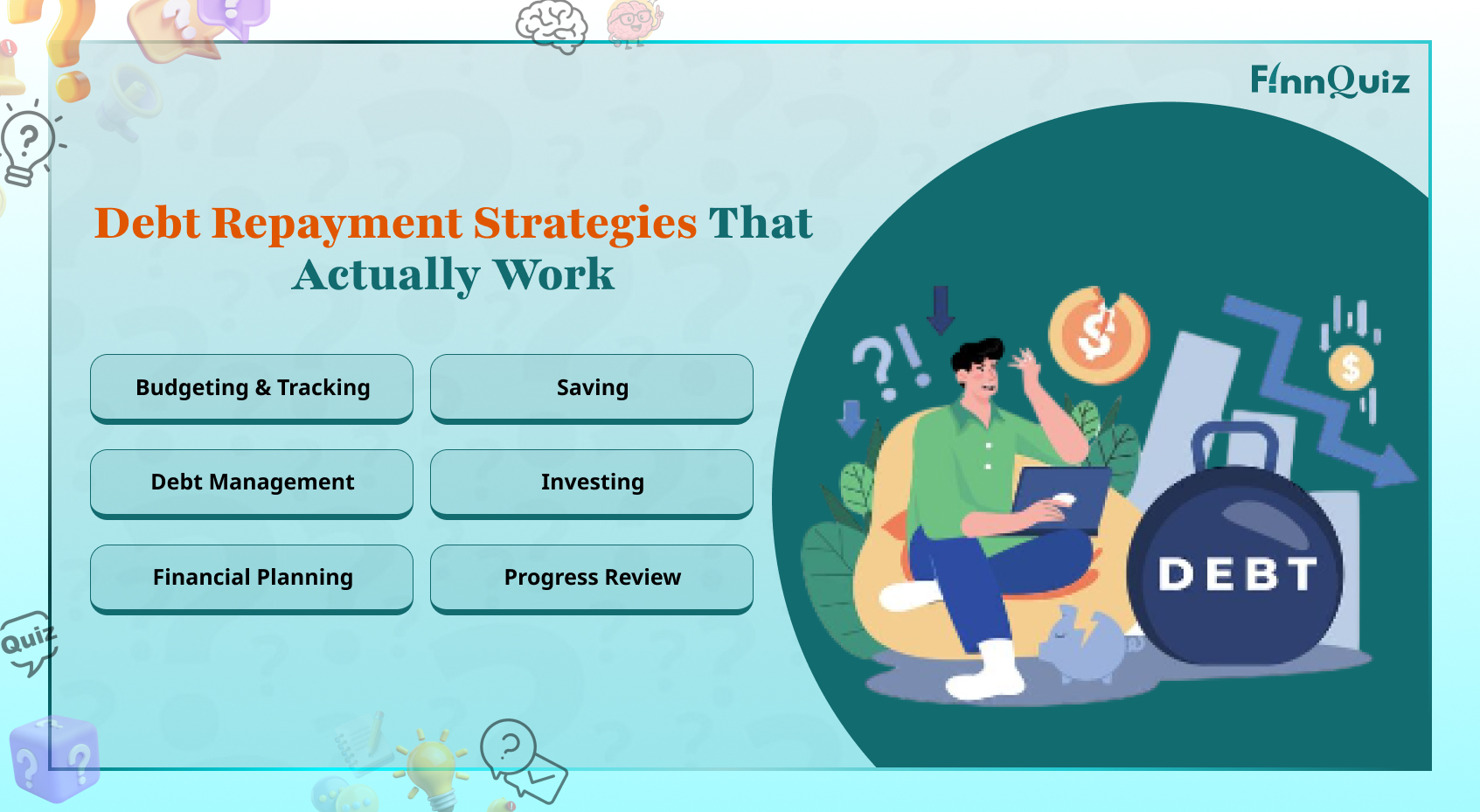
Debt repayment becomes easier when every balance, due date, interest rate, and minimum payment is visible. A repayment strategy gives structure to the process so you are not guessing which bill to pay first or reacting only when reminders arrive.
This guide explains debt repayment strategies in simple language for readers who want practical financial education without hype or pressure. The goal is to help you understand the topic, ask better questions, and make calmer decisions based on your own situation.
What debt repayment strategies means
debt repayment strategies is best understood as a practical money management topic, not a complicated expert-only idea. Beginners need a clear definition, a few important rules, and a way to connect the topic to real life.
The details can vary by country, lender, bank, product, or personal situation. That is why it is important to understand the general idea first, then check the specific terms that apply to you.
Why it matters
This topic matters because multiple balances, high interest, minimum payments, collection stress, and unclear priorities can make debt feel harder than it really is. When people ignore the basics, small problems can grow into larger financial stress.
Understanding the topic early can help you compare choices, avoid rushed decisions, and build habits that protect your budget over time.
How to approach it step by step
Start by writing down the facts. Include amounts, due dates, interest rates, fees, account names, payment rules, and any documents you have. A written view is usually more useful than trying to remember everything.
Next, choose one action that improves the situation. That could mean setting a reminder, contacting a provider, changing a payment date, building a small savings buffer, or reviewing a statement. Small actions repeated consistently are often more effective than an unrealistic plan.
A simple example
For example, a borrower may list three debts, continue paying minimums on all of them, and then send extra money to either the smallest balance or the highest interest balance depending on the chosen strategy.
The example is simple, but the lesson is useful: make the situation visible, choose the next step, and review progress. This process reduces guessing and makes financial decisions easier to manage.
Common mistakes to avoid
Common mistakes include not knowing the full debt list, paying randomly, ignoring interest rates, taking on new debt during repayment, missing due dates, and refusing to contact lenders when payments become difficult. These mistakes are common because people often make money decisions while busy, worried, or under pressure.
A better approach is to slow the decision down. Read the terms, check the numbers, compare options, and ask whether the choice fits your real budget and goals.
Beginner checklist
Before taking action, ask five questions: What problem am I solving? What does this cost now and later? What happens if I miss a payment? What information is missing? What is the safest next step?
These questions work because they make the decision specific. A specific decision is easier to improve than a vague worry.
When to get help
If the decision involves legal issues, taxes, investment risk, large debt, insurance claims, or serious payment problems, consider speaking with a qualified professional or official support resource.
Getting help early is often better than waiting until the situation becomes urgent. Professional guidance can explain options based on details that a general article cannot know.
FAQs
Is debt repayment strategies important for beginners?
Yes. It connects to everyday money choices and can affect financial confidence, costs, and planning.
What is the best first step?
Write down the facts and dates. Clear information makes the next action easier.
Can I fix mistakes later?
Many mistakes can be improved, but early action is usually easier and less stressful than waiting.
Should I rely only on online tips?
No. Online education is useful, but important decisions should be checked against official sources, provider terms, or qualified professionals.
Conclusion
Understanding debt repayment strategies is easier when you break it into clear steps: define the issue, check the details, compare options, take one practical action, and review the result. Beginners do not need perfection. They need reliable information and steady habits.
How to make this advice practical
The easiest way to make Debt Repayment Strategies That Actually Work practical is to connect it to a real number, a real date, and a real habit. Many people understand financial ideas in theory but struggle when the idea has to fit into a busy week. A practical plan should be simple enough to follow during normal life, not only during a perfect month.
Start by choosing one place to track the information. This could be a notebook, a spreadsheet, a budgeting app, a calendar, or a bank statement review. The tool matters less than the habit. If the system is too complicated, it will probably be ignored when life becomes busy.
Important details beginners should check
Beginners should check due dates, fees, interest rates, account rules, minimum payments, grace periods, refund rules, and any condition that creates extra cost. These details are often more important than the headline promise. A product or strategy can sound helpful but still be expensive if the fine print does not fit your situation.
It is also useful to check whether the advice depends on stable income. Some plans work well for people with predictable paychecks but need adjustment for students, freelancers, seasonal workers, or families with irregular expenses. A good plan should leave room for real life instead of assuming every month is the same.
Signs your plan needs adjustment
A plan needs adjustment if you keep missing the same deadline, borrowing to cover basic expenses, skipping savings completely, or feeling surprised by predictable bills. These signs do not mean you failed. They mean the plan is not matching the real pattern of your money.
When that happens, review the last thirty days. Look at what changed, what was unrealistic, and what can be simplified. Sometimes the answer is a smaller goal, a different payment date, fewer categories, or a stronger reminder system. Small changes can make the plan easier to repeat.
Simple habits that support long term progress
Long term progress usually comes from small habits repeated often. Review accounts once a week, save something when income arrives, keep important dates visible, avoid rushed financial decisions, and read terms before agreeing to a payment or account. These habits may feel ordinary, but they reduce many common money problems.
Another helpful habit is separating emotions from decisions. Stress, excitement, fear, and social pressure can all affect spending and borrowing. Waiting a day before a non urgent financial decision can prevent mistakes and make the choice more thoughtful.
How this fits into a bigger money plan
Debt Repayment Strategies That Actually Work is only one part of personal finance. It connects with budgeting, saving, debt control, credit health, emergency planning, and long term goals. When one part improves, the others often become easier. For example, better budgeting can make repayment easier, and fewer missed payments can support credit health.
The bigger goal is not to memorize every finance term. The bigger goal is to build a system that helps you make better decisions again and again. A beginner who learns to pause, check details, and review progress is already building a strong financial foundation.
Practical scenario to understand the idea
Imagine a beginner who wants to improve money habits but does not know where to start. The first week is spent collecting facts: income, bills, balances, due dates, subscriptions, and regular spending. Nothing major changes yet. The goal is simply to see the real situation clearly. This step is powerful because many financial problems feel larger when the details are scattered across apps, messages, emails, and memory.
In the second week, the beginner chooses one improvement. It might be setting an automatic reminder, moving a due date, canceling one unused subscription, paying a small extra amount, or separating savings from spending money. The action is small, but it creates movement. By the end of the month, the person has better records, fewer surprises, and more confidence for the next decision.
This is why personal finance education should be practical. A reader does not need to solve every money issue at once. A better goal is to create a repeatable process: observe, plan, act, and review. When that process becomes familiar, future decisions become less stressful and more thoughtful.
Final tips for safer decisions
A safer financial decision usually has three qualities: it is understood before action, it fits the current budget, and it leaves room for unexpected changes. If any of these qualities are missing, it may be worth waiting, asking questions, or choosing a smaller step. This is especially important for beginners because confidence grows through repeated good decisions, not through one dramatic move.
Keep records of important decisions, including payment confirmations, account changes, agreements, cancellation messages, and support conversations. Good records can save time when questions or disputes appear later. They also make monthly reviews easier because the information is not scattered across memory and old notifications.