Personal Finance
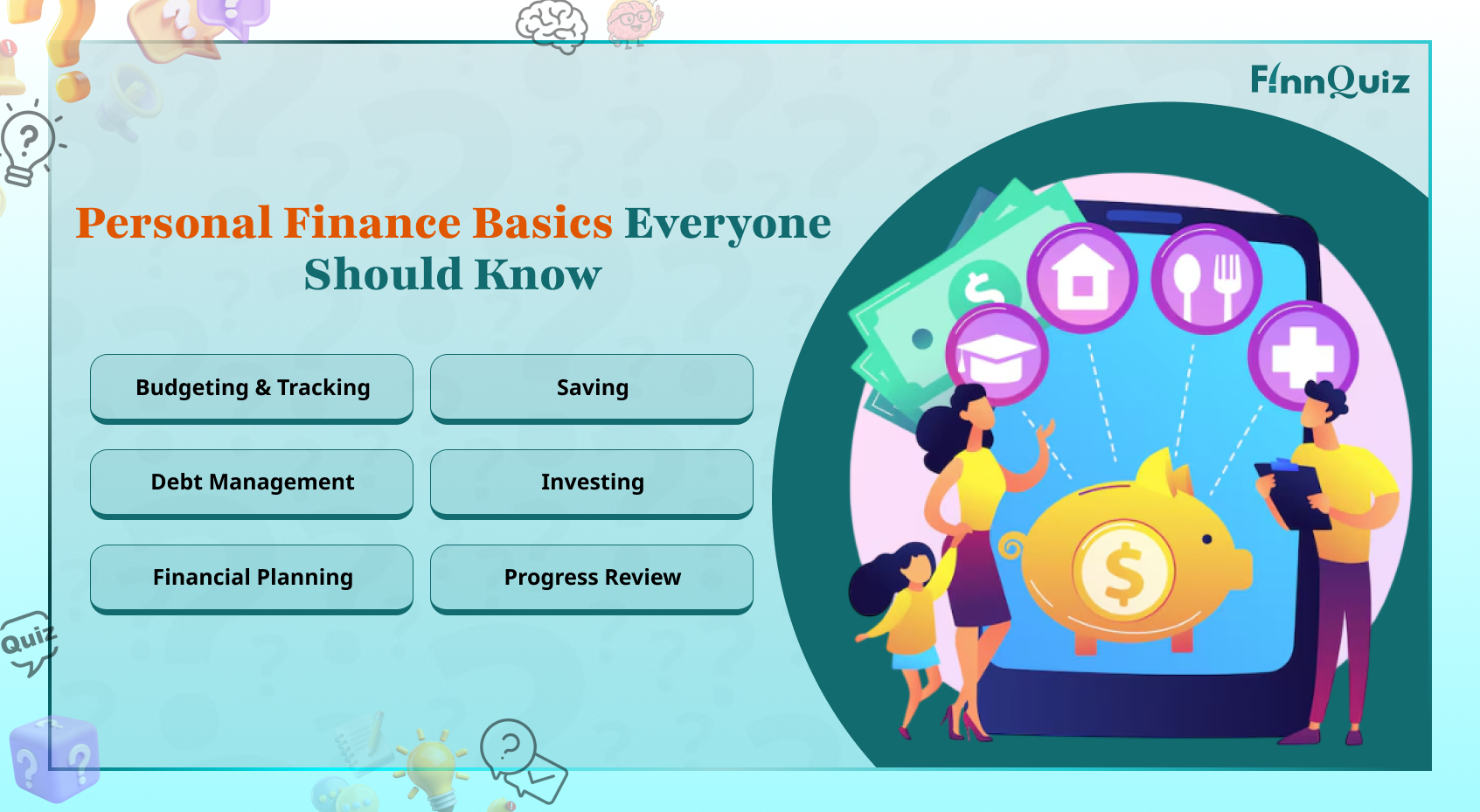
Personal Finance Basics Everyone Should Know
Money becomes easier to manage when the basics are clear. You do not need perfect habits or hard finance words to start. You need a simple explanation, a few useful examples, and one small action you can repeat. This guide is written in plain English for everyday readers.
Learn the essential principles of personal finance, including budgeting, saving, investing, debt management, and financial planning for a secure future. This guide explains the idea in simple English, with practical steps you can use in normal life. It is written for readers who want a calm starting point, not a lecture full of technical terms.
What This Topic Means
In simple words, this topic is about making everyday money choices with more care and less stress. It is not about being perfect with money. It is about knowing what is happening, making better choices, and avoiding problems that could have been prevented with a little attention.
Many money problems start because people feel rushed or confused. A bill arrives, an offer looks attractive, a payment is due, or a friend gives advice that sounds right. When you understand the basics, you can slow down and ask better questions before making a choice.
Why It Matters in Real Life
Money is part of normal life. It affects rent, food, travel, education, family needs, health costs, goals, and peace of mind. A small decision may not look important today, but repeated choices can shape your month and your future.
For example, think about income, bills, savings, goals, choices, and small habits. These are not rare finance topics. They are everyday things that many people deal with. When you understand them clearly, you are less likely to feel lost, overpay, miss a deadline, or agree to something you do not fully understand.
The aim is not to make money feel strict or scary. The aim is to give you more control. When you know where your money goes and what a decision may cost later, you can choose with more confidence.
Simple Steps You Can Follow
You do not need to change everything at once. Start with small steps that are easy to repeat. A simple habit done every week is usually better than a big plan that you stop after two days.
- Write down the situation clearly. A money problem feels smaller when it is on paper.
- Separate what must be done now from what can wait.
- Look at the numbers before making a decision. Guessing often leads to stress.
- Choose one small action you can take today.
- Avoid quick fixes that sound too easy or too good to be true.
- Keep records, screenshots, bills, and notes when money is involved.
- Review your progress once a week so you can correct small issues early.
- Ask a trusted professional or official source when the decision is important.
A Simple Example
Imagine a person who wants to handle this topic better but does not know where to begin. At first, they may only have a rough idea of their money situation. They may know that some bills are due, some spending feels too high, or some decision needs to be made, but the full picture is not clear.
A better first step is to write the facts down. What money is coming in? What money is going out? What dates matter? What fees, risks, or rules should be checked? Once the facts are visible, the next step becomes easier. This simple action can reduce stress because the problem is no longer floating around in your head.
Common Mistakes to Avoid
Most mistakes happen when people move too fast, feel embarrassed, or avoid checking the details. These are common and fixable. The goal is to notice them early and choose a better next step.
- Trying to fix everything in one day instead of building one steady habit at a time.
- Copying someone else's money plan without checking if it fits your income, bills, and responsibilities.
- Ignoring small charges because they look harmless. Small leaks can become a big amount over a year.
- Waiting until there is a serious problem before checking the details.
- Trusting social media advice without checking official sources or reading the terms.
- Feeling ashamed after a mistake and then avoiding the topic completely.
How to Make It a Habit
The easiest way to improve is to connect this topic with a weekly routine. Pick one quiet time each week to look at your money. It can be Sunday evening, payday, or any time that feels realistic. Use that time for reviewing your money once a week.
Keep the routine short. Ten to twenty minutes is enough for most beginners. Check what changed, what needs attention, and what one small action will help this week. Over time, this habit can make money feel less confusing and more manageable.
Quick Checklist
- Can you explain the main idea in one or two simple sentences?
- Do you know the dates, fees, limits, or rules that matter?
- Have you checked the numbers instead of guessing?
- Do you know what could go wrong if you ignore this topic?
- Have you chosen one small action you can take this week?
- Do you know when to ask a qualified professional or official source for help?
When to Get Extra Help
Some money decisions are simple enough to handle with basic learning. Others are more serious. If a choice involves a large amount of money, taxes, legal terms, debt trouble, insurance claims, investment risk, or a contract you do not understand, it is wise to ask for help from a qualified professional or an official source.
Getting help is not a sign that you failed. It is often the smart move. The purpose of a beginner guide is to help you understand the topic better so you can ask clearer questions and avoid being pushed into a rushed decision.
FAQs
Is Personal Finance Basics Everyone Should Know hard to understand?
No. It can feel hard when people use too many technical words, but the basic idea can be explained in simple language. Start with the main meaning, then learn the details step by step.
Do I need special tools to begin?
Usually no. A notebook, a simple spreadsheet, a notes app, or your bank statement may be enough to start. The important part is to look at the facts clearly.
What if I made mistakes before?
That is common. Many people learn money topics after a mistake or stressful moment. Focus on the next useful step instead of feeling stuck.
Can this guide replace professional advice?
No. This guide is for general education. For personal financial, tax, legal, insurance, credit, or investment decisions, speak with a qualified professional or check official sources.