FinnQuiz CFA Prep And Finance Blog
Study CFA foundations, financial literacy, investing basics, and realistic money checklists in simple English.
Start Here
CFA Prep Guides
CFA Level 1 Study Plan: A Simple 16-Week Roadmap
A simple CFA Level 1 study plan for candidates who want structure, review time, and realistic weekly practice.
CFA PrepCFA Ethics Study Guide: How to Read Standards Without Getting Lost
Learn a simple way to study CFA Ethics with scenario reading, duty mapping, and mistake review.
CFA PrepCFA Quantitative Methods: Time Value of Money in Plain English
A beginner-friendly explanation of time value of money, discounting, compounding, and calculator habits for CFA Level 1.
CFA PrepCFA Financial Statement Analysis: Balance Sheet, Income Statement, and Cash Flow
Understand the three core financial statements and how CFA candidates can connect accounting numbers to business reality.
CFA PrepCFA Equity Valuation Basics: From Business Quality to Price
A simple guide to equity valuation ideas for CFA candidates: cash flows, growth, risk, multiples, and margin of safety.
CFA PrepCFA Fixed Income Basics: Bonds, Yields, Duration, and Risk
Learn the core fixed income ideas CFA candidates need: bond prices, yields, duration, credit risk, and interest rate risk.
What You Will Find Here
- Step-by-step explanations of CFA Level 1 and core finance topics.
- Real-life examples, not theory-heavy jargon.
- Action checklists you can apply immediately.
- Balanced discussion of costs, risks, and trade-offs.
Topics We Cover
CFA prep, valuation basics, accounting concepts, budgeting, savings, investing basics, credit, insurance, and long-term planning.
CFA Level 1 Study Plan: A Simple 16-Week Roadmap
A simple CFA Level 1 study plan for candidates who want structure, review time, and realistic weekly practice.
CFA Ethics Study Guide: How to Read Standards Without Getting Lost
Learn a simple way to study CFA Ethics with scenario reading, duty mapping, and mistake review.
CFA Quantitative Methods: Time Value of Money in Plain English
A beginner-friendly explanation of time value of money, discounting, compounding, and calculator habits for CFA Level 1.
CFA Financial Statement Analysis: Balance Sheet, Income Statement, and Cash Flow
Understand the three core financial statements and how CFA candidates can connect accounting numbers to business reality.
CFA Equity Valuation Basics: From Business Quality to Price
A simple guide to equity valuation ideas for CFA candidates: cash flows, growth, risk, multiples, and margin of safety.
CFA Fixed Income Basics: Bonds, Yields, Duration, and Risk
Learn the core fixed income ideas CFA candidates need: bond prices, yields, duration, credit risk, and interest rate risk.
CFA Economics Basics: Micro, Macro, Inflation, and Currency
Learn the CFA Level 1 economics foundations in simple English: demand, supply, market structure, inflation, rates, growth, and currency effects.
CFA Corporate Issuers: Capital Budgeting, Leverage, and Governance
Understand the CFA Corporate Issuers topic with simple explanations of capital budgeting, cost of capital, leverage, working capital, and governance.
CFA Derivatives Basics: Forwards, Futures, Options, and Swaps
Learn the basic purpose and payoff logic of derivatives for CFA Level 1, including forwards, futures, options, swaps, hedging, and risk transfer.
CFA Alternative Investments: Real Estate, Private Equity, Hedge Funds, and Commodities
Understand the main CFA alternative investment categories, including liquidity, fees, diversification, valuation difficulty, and key risks.
CFA Portfolio Management Basics: Risk, Return, Diversification, and IPS
Learn the CFA Portfolio Management foundations in simple English: diversification, correlation, asset allocation, risk tolerance, and investment policy statements.
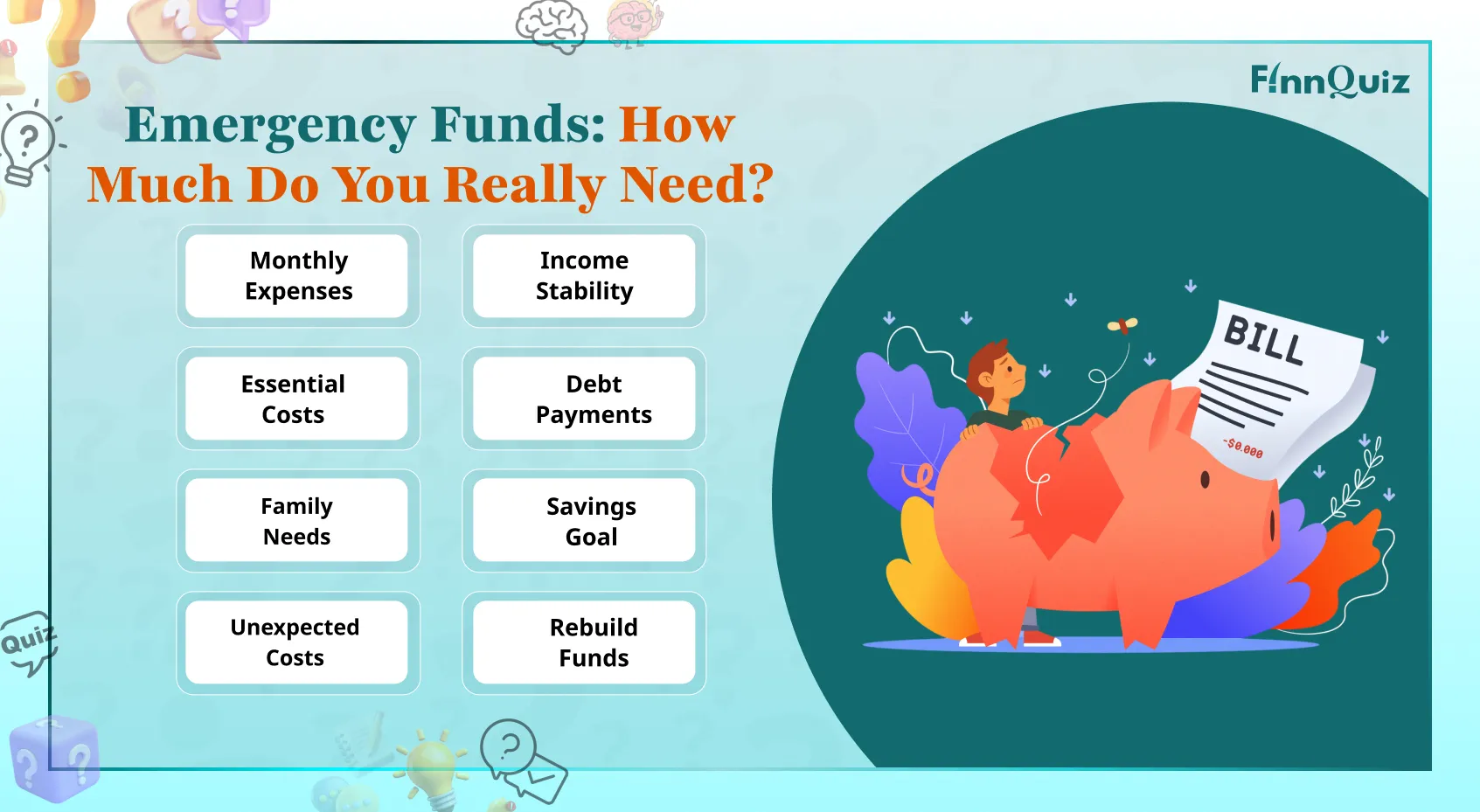
Understanding Emergency Funds: Why You Need One
Life is unpredictable. An emergency fund is your financial safety net against the unexpected.
Investing for Beginners: Getting Started in the Stock Market
Learn the basics of investing, diversification, and how to make your money work harder for you.
The 50/30/20 Rule: A Simple Guide to Budgeting
Take control of your finances with this straightforward, proportional budgeting method.
How to Improve Your Credit Score Fast
Actionable steps to boost your credit score and unlock better interest rates.
Understanding Compound Interest: The 8th Wonder
Discover how compounding turns small investments into massive wealth over time.
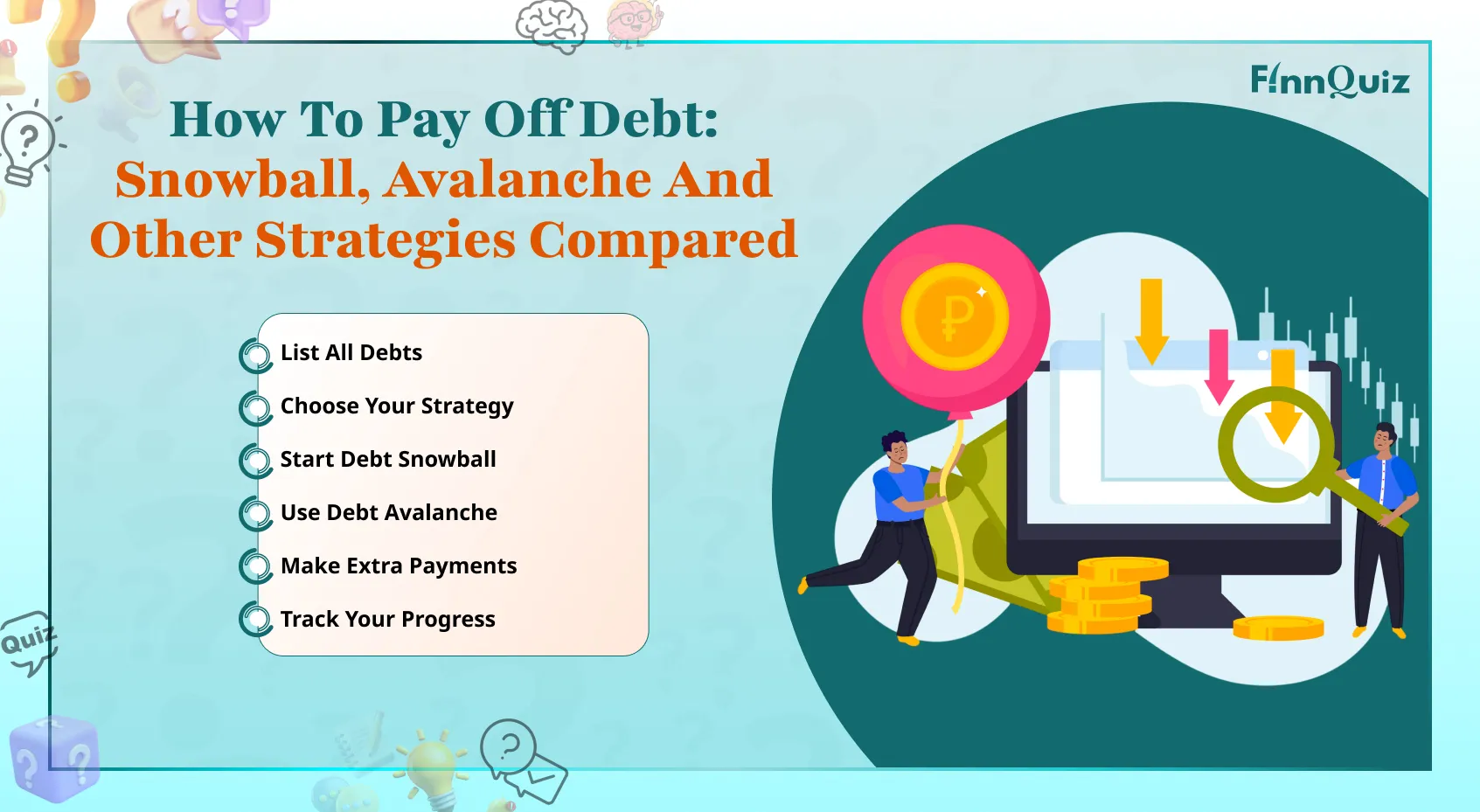
Debt Snowball vs. Debt Avalanche: Which is Best?
Compare the two most popular debt payoff strategies to find out which works for you.
10 Passive Income Ideas to Build Wealth in 2026
Explore proven strategies to earn money while you sleep through passive investments.
A Beginner's Guide to Cryptocurrency and Blockchain
Demystifying Bitcoin, Ethereum, and the fundamental technology behind digital assets.
How to Start Planning for Retirement in Your 20s
Why starting early is the single most important factor in securing your retirement.
The Basics of Mutual Funds and ETFs
Understand the differences between these two popular diversified investment vehicles.
How to Negotiate Your Salary Like a Pro
Secure the compensation you deserve with these proven salary negotiation tactics.
Why You Need Life Insurance (Even if You're Young)
It's not just for older adults. Learn why locking in life insurance early is a smart financial move.
Tax Planning Strategies for Freelancers and Gig Workers
Don't let the IRS catch you off guard. Master your self-employment taxes.
The Real Cost of Car Ownership: Look Beyond the Payment
Why buying a car is more expensive than you think, and how to avoid being car poor.
How to Create Multiple Streams of Income
Diversify your revenue to achieve financial independence and protect against job loss.
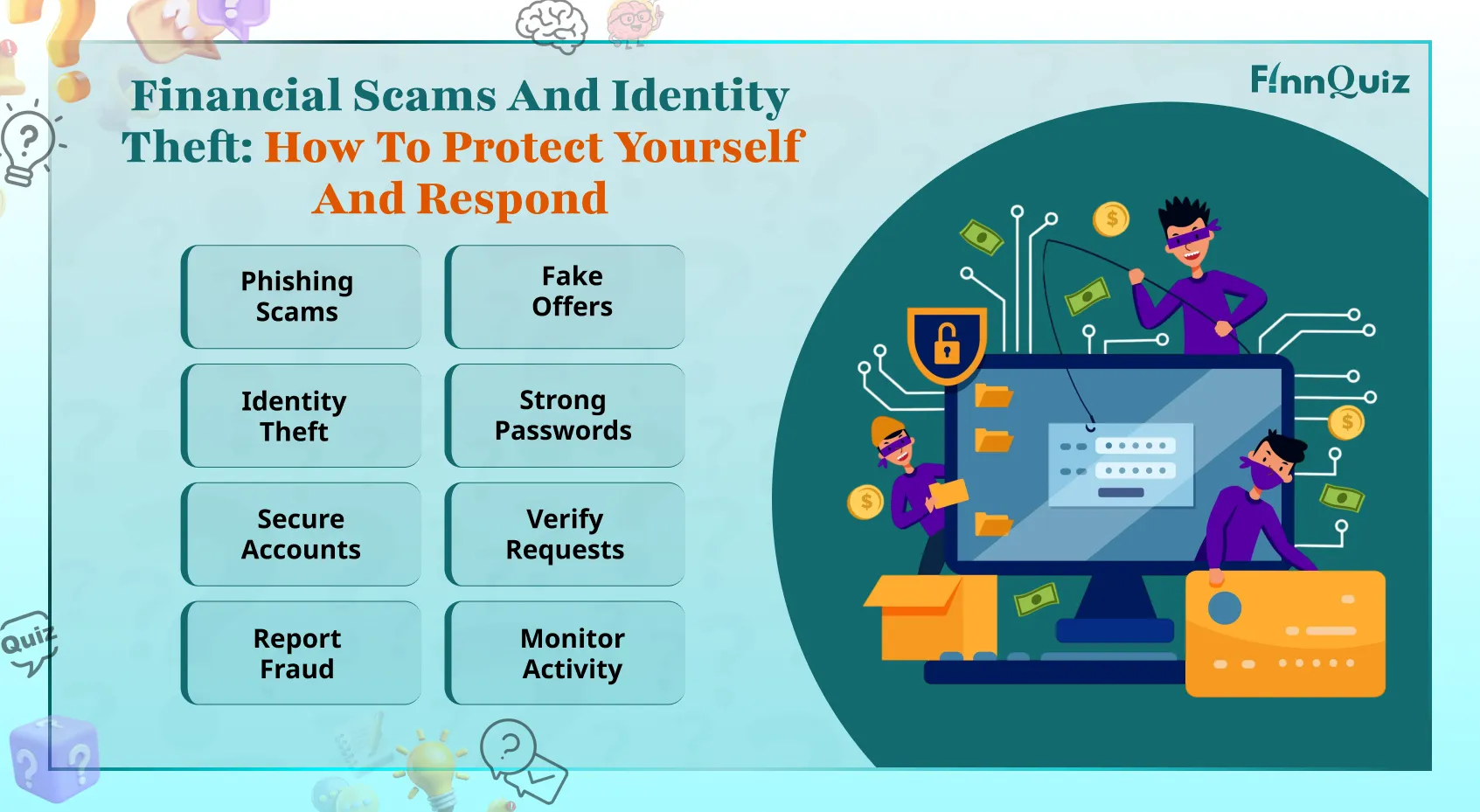
How to Protect Yourself from Identity Theft and Financial Fraud
Cybercrime is rising. Learn the critical steps to secure your personal data and bank accounts.
The Pros and Cons of Renting vs. Buying a Home
Debunking the myth that 'renting is throwing money away' with a mathematical approach.
An Introduction to ESG Investing: Aligning Money with Values
How Environmental, Social, and Governance factors are reshaping the stock market.
Health Savings Accounts (HSAs): The Ultimate Stealth Retirement Account
Why the HSA is considered the best tax-advantaged account in the American financial system.
Why You Should Track Your Net Worth (And How to Do It)
Forget your salary or credit score. This is the single most important number in personal finance.
What to Do When You Inherit Money: A Guide to Sudden Wealth
Avoid the common traps of the newly rich when receiving an inheritance or insurance payout.
The 4% Rule: How to Plan for Financial Independence
The simple mathematical formula that tells you exactly when you can retire.
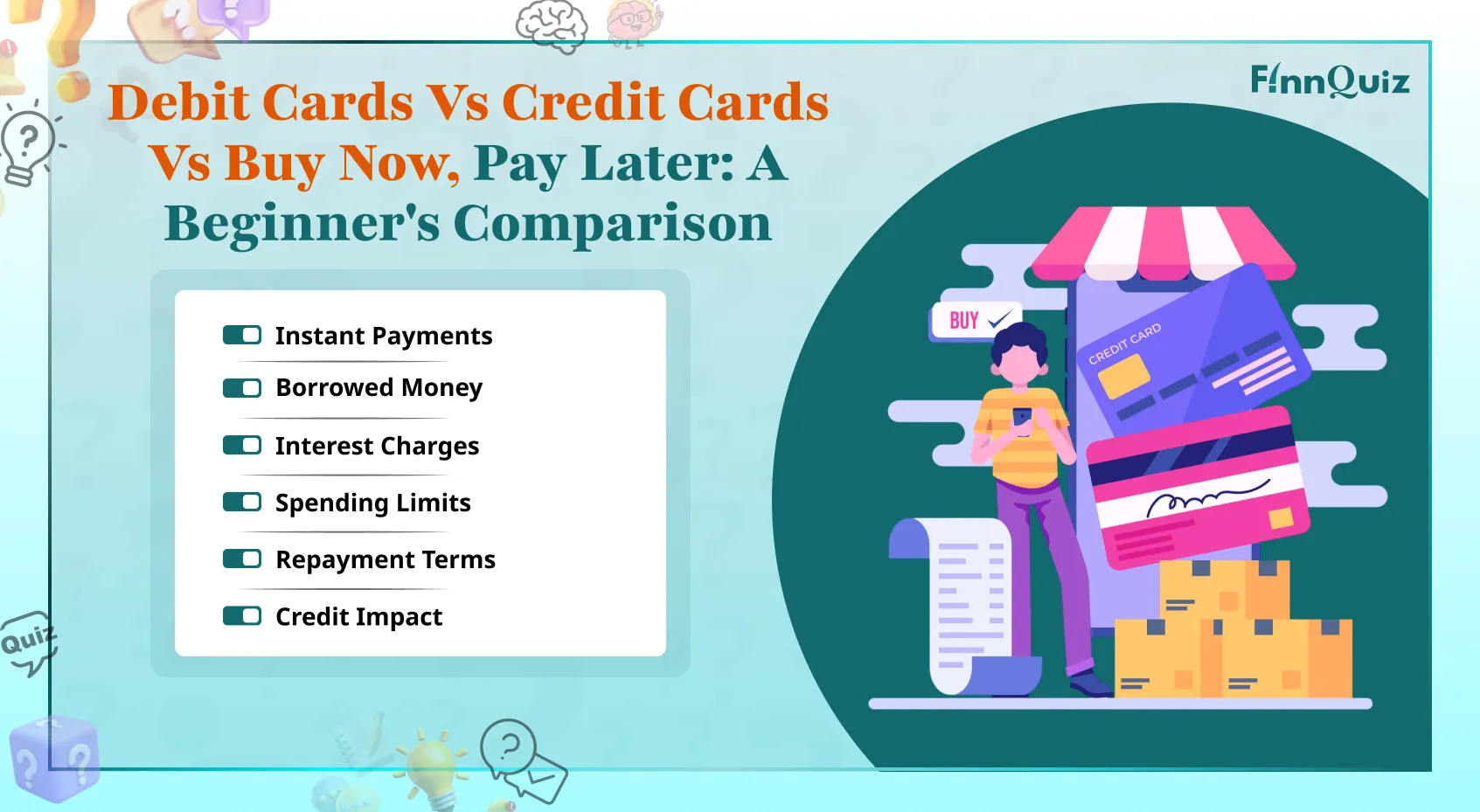
The Hidden Dangers of Buy Now, Pay Later (BNPL)
Why services like Klarna and Afterpay are causing a hidden debt crisis among Gen Z.
Options Trading 101: Understanding Calls and Puts
A beginner's overview of derivatives, leverage, and the massive risks involved.
Tax-Loss Harvesting: Turn Market Losers into Tax Savings
How to legally offset your capital gains and reduce your tax bill during market downturns.
Tips for Raising Financially Responsible Children
Give your kids a head start in life by teaching them the real value of money.
Fractional Reserve Banking: How Your Money Works
Unveiling the mechanics behind the modern banking system and money creation.
Is a Master's Degree Worth the Debt? An ROI Analysis
Calculate the true financial return of attending graduate school before signing the loans.
A Guide to Series I Savings Bonds for Inflation Protection
Securing your cash against rising prices with government-backed I-Bonds.
Financial Planning for Couples: How to Merge Finances
Communication strategies to manage money effectively and avoid relationship friction.